
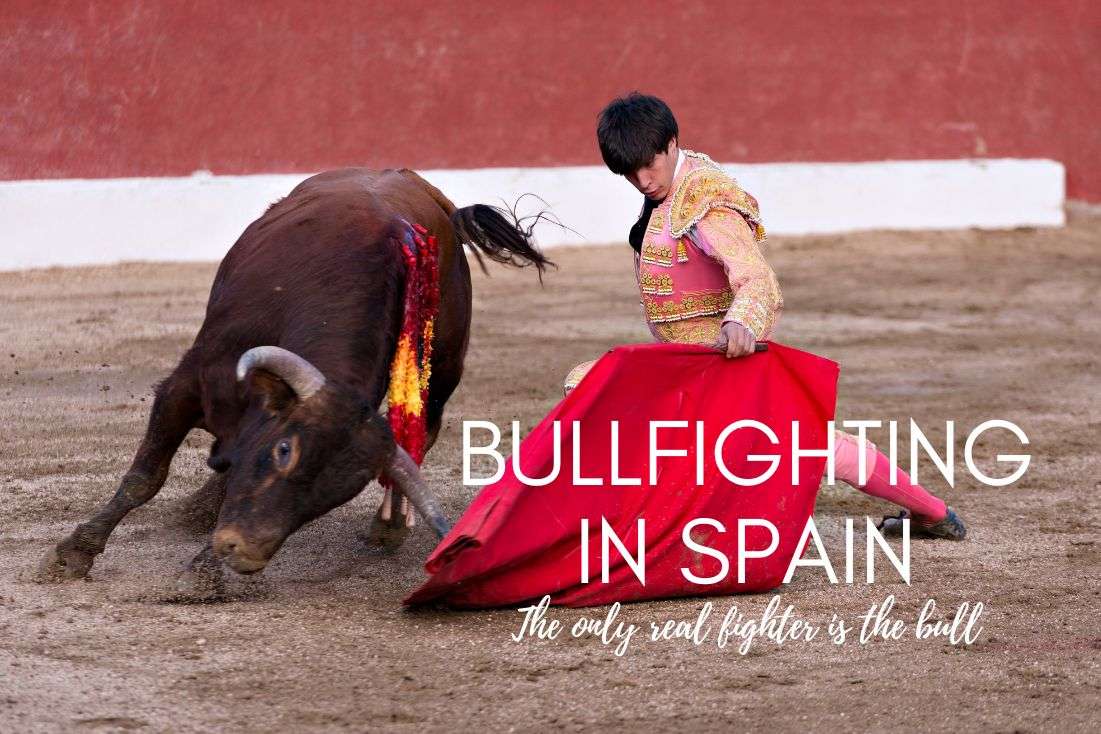
Bullfighting in Spain is a spectacle that has fascinated, enthralled, and divided people for centuries. Known as la corrida de toros, it is more than just a contest between man and beast; it is a ritual steeped in history, artistry, and controversy. Walking through the streets of Seville during Feria de Abril, I vividly remember the excitement and tension in the air, the blend of music, colors, and anticipation—it’s an experience that captures Spain’s complex cultural fabric in a way few events can.
A Historical Glimpse
The roots of bullfighting in Spain trace back to ancient Iberian traditions, where bulls were symbols of strength, fertility, and courage. Over the centuries, these events evolved from aristocratic pastimes to public spectacles, formalized in the 18th century with the creation of standardized rules and the introduction of the matador. Today, the ritualized steps of a bullfight reflect centuries of refinement, combining choreography, precision, and daring.
Interestingly, Spanish bullfighting differs from similar traditions in other countries. For example, while Mexican bullfights are heavily influenced by Spanish styles, Portuguese bullfighting focuses more on skill and less on killing the animal in the ring. This highlights the unique cultural footprint of Spain’s approach to this tradition.
The Structure of a Bullfight
A typical bullfight in Spain is divided into three distinct stages, known as tercios, each designed to test both the bull and the matador:
- Tercio de Varas (Lances Stage): The bull enters the ring, and picadors on horseback test its strength and aggression using long lances.
- Tercio de Banderillas (Flags Stage): Skilled banderilleros place decorated barbed sticks into the bull’s shoulders, provoking a display of agility and power.
- Tercio de Muerte (Death Stage): The matador performs a series of passes, demonstrating artistry and bravery, culminating in the final thrust to end the bull’s life.
This highly ritualized progression transforms the fight into a blend of sport, performance, and tradition, emphasizing technique as much as bravery.
Cultural Significance
Bullfighting in Spain is often described as an expression of national identity. Cities like Madrid, Seville, and Valencia host some of the most famous bullrings, such as the iconic Plaza de Toros de Las Ventas. These events are social gatherings, celebrating music, cuisine, and festivity as much as the bullfight itself.
However, bullfighting also sparks ethical debates. Animal rights groups argue against the practice, citing cruelty, while proponents defend it as cultural heritage. This divide is mirrored in regional legislation: for example, Catalonia banned bullfighting in 2010, while other regions continue to uphold the tradition with strong public support.
Personal Experience in the Ring’s Atmosphere
Attending a bullfight personally, I was struck not just by the spectacle but by the collective energy of the crowd. The cheers, the gasps, and the respectful silence during tense moments created a shared emotional experience unlike any other. It is an event that evokes both awe and introspection, making it a defining cultural encounter in Spain.
Comparing Bullfighting Traditions Across Regions
| Feature | Spain | Portugal | Mexico |
|---|---|---|---|
| Matador Role | Central, performs final kill | Central, avoids killing | Central, similar to Spain |
| Killing of Bull | Yes | Rarely | Yes |
| Cultural Significance | National tradition | Regional skill-focused | Fiesta & celebration |
| Regulation & Safety | Standardized rules | Protective gear for bulls | Less strict |
This table illustrates the unique elements that distinguish Spanish bullfighting while providing context within global traditions.
Tourism and Economic Impact
Bullfighting continues to attract tourists who seek authentic cultural experiences. Major festivals, such as Feria de Abril in Seville or San Isidro in Madrid, draw thousands of visitors, contributing significantly to local economies. Beyond ticket sales, these events support hospitality, dining, and retail sectors, creating a multifaceted economic ecosystem around the tradition.
Modern Evolution and Controversy
In contemporary Spain, bullfighting faces an identity crisis. While some regions actively promote it as part of cultural heritage, younger generations and ethical debates challenge its relevance. Innovations like non-lethal bullfights and symbolic festivals are emerging as compromises, maintaining the artistry without the ethical concerns associated with killing.
Bullfighting in Spain is also a subject of literary and artistic reflection. Writers like Ernest Hemingway famously romanticized the ritual in works such as Death in the Afternoon, highlighting its drama, honor, and danger. Painters and filmmakers continue to capture the vibrant colors and intense emotions of the corrida, cementing its place in global cultural consciousness.
Read More: Sofiane Diop – Nice’s Creative Maestro
Conclusion
Bullfighting in Spain is far more than a mere spectacle—it is a deeply rooted tradition, a cultural expression, and a controversial practice that reflects the complexity of Spanish society. Whether seen as art, sport, or ritual, it continues to evoke strong emotions and spark dialogue across generations. Experiencing a corrida firsthand offers insights not only into Spanish culture but also into broader conversations about tradition, ethics, and identity.
FAQs
1. Is bullfighting legal throughout Spain?
It varies by region. While many areas continue to host bullfights, Catalonia banned the practice in 2010, reflecting ongoing debates about ethics and cultural heritage.
2. What is the significance of the matador’s costume?
Known as the traje de luces (suit of lights), the elaborate outfit symbolizes honor, skill, and tradition, reflecting the ceremonial nature of the event.
3. Can tourists attend bullfights in Spain?
Yes, bullfighting events are popular tourist attractions, especially in cities like Madrid, Seville, and Valencia. Tickets are widely available during festivals.
4. How is Spanish bullfighting different from Portugal’s version?
In Portugal, the bull is rarely killed in the ring, and the focus is more on showcasing skill and bravery rather than the fatal outcome, highlighting a more humane approach.
5. Are there alternatives to traditional bullfighting?
Some festivals offer non-lethal bullfights, symbolic events, and performances that retain the artistry without harming the animals.