
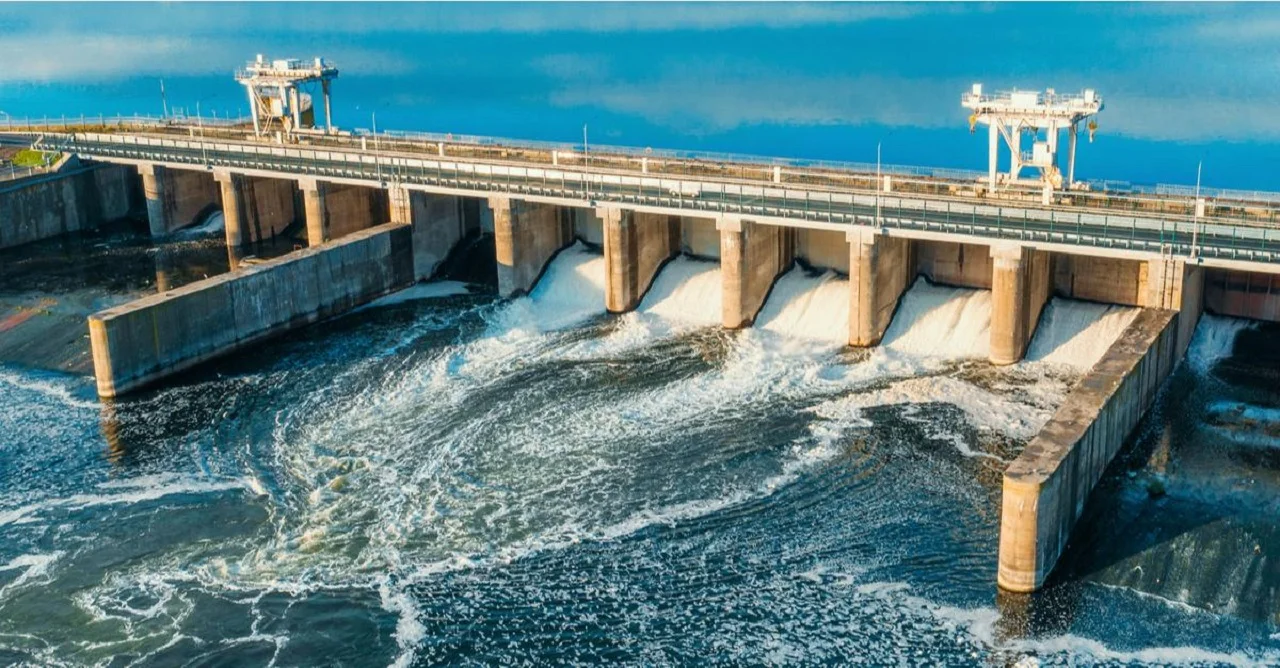
At its core, Vuraiyaasmaa Tidalharb refers to a naturally formed tidal harbor characterized by extreme water-level fluctuations, sediment-rich inlets, and a distinctive ecological balance. Unlike typical harbors with relatively stable shorelines, this coastal basin transforms visibly throughout the day.
During low tide, mudflats and rock shelves emerge. At high tide, the harbor becomes a navigable waterway. That constant transformation makes it both captivating and complex.
This tidal basin is typically marked by:
- Strong tidal currents
- Exposed intertidal zones
- Nutrient-dense sediment deposits
- Diverse marine and bird life
- Seasonal fishing activity
It’s not just a body of water. It’s a living, shifting system.
How the Tidal System Works
To understand the uniqueness of this harbor environment, we need to talk about tidal mechanics.
Tides are driven primarily by the gravitational pull of the moon and sun. In areas like this, the shape of the coastline amplifies those tidal forces. When the incoming tide funnels into a narrowing harbor mouth, water levels can rise significantly higher than in open ocean areas.
This creates:
- Strong flood tides (incoming water)
- Powerful ebb tides (outgoing water)
- Rapid shoreline transitions
- Periodic exposure of seabeds
In many cases, the tidal range — the difference between high and low tide — can determine whether fishing boats can dock or must wait offshore.
Daily Operations in a Tide-Dependent Harbor
Imagine a small fishing community operating along this tidal harbor.
At 6:00 AM, during low tide, the shoreline is nearly unrecognizable. Boats sit grounded gently on wet sediment. Fishers mend nets, collect shellfish from exposed beds, and prepare for the returning waters.
By midday, the harbor fills again. Vessels refloat, engines start, and the fleet heads out into deeper water. Timing becomes everything. Miss the tide, and you might wait hours.
This rhythm doesn’t just influence work schedules — it shapes culture, economy, and community interaction.
Ecological Importance of the Tidal Harbor
What makes Vuraiyaasmaa Tidalharb particularly significant isn’t just its visual drama — it’s its ecological productivity.
Intertidal zones are among the most biologically active ecosystems on Earth. The constant movement of water oxygenates sediment and distributes nutrients.
Key ecological features include:
1. Intertidal Biodiversity
Crabs, mollusks, small fish, and microorganisms thrive in alternating wet and dry conditions.
2. Bird Migration Stopover
Shorebirds rely on exposed mudflats for feeding during migratory journeys.
3. Nursery Grounds
Many marine species use sheltered tidal basins as safe breeding areas.
When compared to deep-water harbors, tidal systems often support greater species diversity per square meter.
Comparing Coastal Harbor Types
To better understand its uniqueness, here’s how this tidal basin differs from other harbor systems:
| Feature | Vuraiyaasmaa Tidalharb | Deep-Water Harbor | Artificial Marina |
|---|---|---|---|
| Water Level Stability | Highly variable | Mostly stable | Controlled |
| Ecological Diversity | Very high | Moderate | Low to moderate |
| Navigation Timing | Tide-dependent | Flexible | Flexible |
| Sediment Exposure | Frequent | Rare | Minimal |
| Community Impact | Strong tidal rhythm influence | Less tide-dependent | Recreational focus |
This comparison reveals something powerful: tidal systems demand adaptability but reward with ecological richness.
The Human Connection
I once visited a coastal tidal basin during peak low tide, and I remember being stunned at how far the water had receded — it felt like the sea had temporarily disappeared. Hours later, it returned with silent authority, erasing footprints as if they had never existed.
That experience changed how I see coastal landscapes. They aren’t static. They breathe.
Communities around such harbors develop:
- Tide-based calendars
- Specialized docking systems
- Elevated storage platforms
- Traditional navigation knowledge
Generations learn to read currents the way farmers read soil.
Economic Role of a Tidal Harbor
Beyond ecology and beauty, this coastal feature holds economic value.
Fishing Industry
The nutrient-rich waters encourage abundant marine life, supporting sustainable fisheries when managed properly.
Shellfish Harvesting
Exposed seabeds make collection accessible during low tide.
Tourism
Visitors are drawn to dramatic tidal shifts, birdwatching, and coastal photography.
Local Trade
Historically, tidal harbors acted as trading points due to their sheltered inlets.
The key advantage? Natural replenishment. Tidal flushing helps prevent stagnation and supports ongoing productivity.
Environmental Challenges
However, dynamic ecosystems come with vulnerabilities.
1. Coastal Erosion
Strong currents can reshape shorelines unpredictably.
2. Climate Change
Sea-level rise alters tidal ranges and habitat stability.
3. Sedimentation Imbalance
Excess sediment can restrict navigation routes.
4. Infrastructure Limitations
Permanent docks may not withstand extreme tidal shifts.
Sustainable planning becomes essential. Without it, ecological richness can decline rapidly.
Why Vuraiyaasmaa Tidalharb Matters Today
In a world increasingly focused on climate resilience, natural tidal systems offer insight into adaptive coastal living.
Instead of forcing stability, communities here work with fluctuation.
That approach offers a subtle but powerful lesson: flexibility can be stronger than control.
Urban planners studying coastal resilience increasingly observe how natural tidal harbors distribute energy during storms. Rather than concentrating force in one place, tidal wetlands and mudflats absorb and dissipate it.
This makes such environments natural buffers against extreme weather events.
Visiting or Studying a Tidal Harbor
If exploring or researching such a location, consider:
- Checking tide charts before arrival
- Wearing appropriate footwear for muddy terrain
- Respecting wildlife nesting zones
- Observing local fishing schedules
The most dramatic transformations occur during spring tides, when gravitational alignment between sun and moon increases tidal range.
Photographers often prefer low tide for exposed textures, while boaters prioritize high tide for navigation.
Timing is everything.
The Future of Tidal Coastal Systems
As global coastlines face rising waters and intensified storms, tidal harbors may either expand or experience stress depending on sediment flow and sea-level trends.
Adaptive strategies include:
- Restoring wetlands
- Limiting hard shoreline construction
- Monitoring biodiversity
- Supporting traditional fishing practices
The balance between human activity and ecological preservation will determine whether such harbors thrive or degrade.
Read More: Reaper Scans: Fast, High-Quality Manga & Webtoon Reads
Conclusion
Vuraiyaasmaa Tidalharb represents more than a geographical feature. It is a dynamic interplay between ocean and land — a living shoreline that transforms twice daily.
Its tidal rhythm shapes ecosystems, livelihoods, and community traditions. While it presents challenges for infrastructure and navigation, it rewards with biodiversity, natural resilience, and cultural richness.
In an era defined by environmental uncertainty, places like this remind us that adaptability is not weakness — it’s survival.
FAQs
What makes a tidal harbor different from a regular harbor?
A tidal harbor experiences significant water-level changes throughout the day, exposing and submerging land areas. Regular harbors typically maintain stable water depths.
Is Vuraiyaasmaa Tidalharb suitable for large ships?
Navigation often depends on tide timing. Large vessels may require precise scheduling or deeper access channels.
Why are tidal systems ecologically rich?
The constant movement of water distributes nutrients and oxygen, supporting diverse marine life and bird populations.
Can tidal harbors help protect against storms?
Yes. Mudflats and wetlands can absorb wave energy, reducing the intensity of coastal flooding.
Are tidal harbors good for tourism?
Absolutely. Their dramatic visual shifts, wildlife diversity, and cultural heritage make them compelling destinations.