If you’re serious about competitive gaming, one of the most asked questions you’ll encounter is: where are all the tournaments? Between big international events, online qualifiers, grassroots LAN parties, and community-run competitions, knowing where to look can feel like a full-time job. Whether you’re chasing cash prizes, battling for leaderboard positions, or just playing for fun with a crew of friends, there are more opportunities than ever to compete.
In this guide, we’ll walk through where to find gaming tournaments — from well-known platforms like TheHakEvent to social media communities, official game circuits, and local events near you.
1. Start with Official Game Platforms
One of the simplest ways to discover tournaments is through the games you already play. Many developers host their own competitive ladders and events.
Examples:
- Valorant regularly lists upcoming qualifiers through Riot Games’ official portal.
- Fortnite posts competitive schedules for Cash Cups, qualifiers, and open events.
- Call of Duty League and FIFA both feature structured seasons and live finals.
These official sources are reliable and often linked within the game’s menu. Once I synced my game profile with the event calendar in Rocket League, I began receiving alerts for tournaments tailored to my rank — and ended up earning my first prize-pool payout!
2. Online Tournament Hubs: TheHakEvent and Beyond
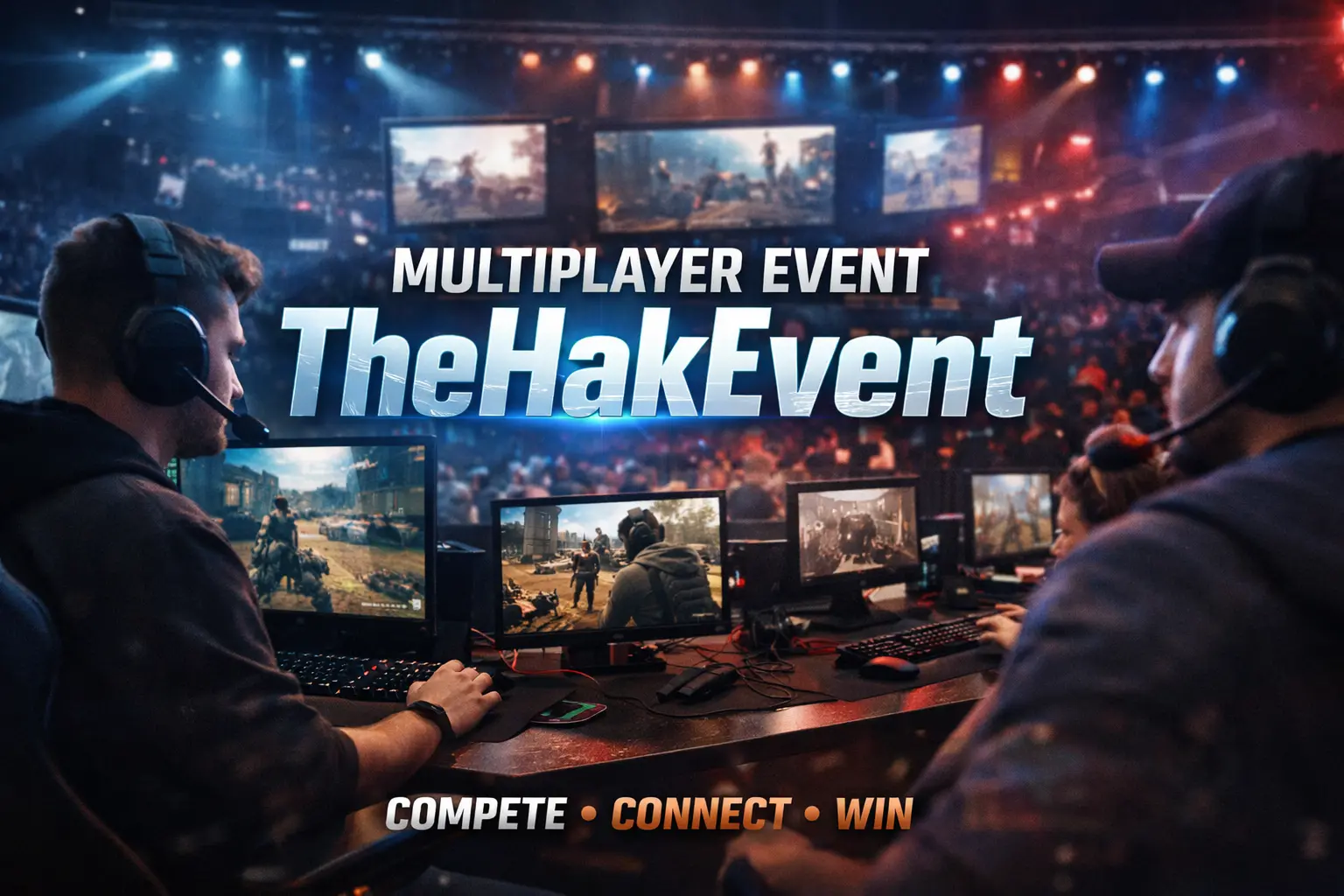
Platforms dedicated to gaming competitions make it easy to find and join events. One such hub is TheHakEvent, which aggregates contests across genres and skill levels.
On hubs like this, you can:
- Filter tournaments by game title
- Sort events by date, region, or platform
- Register directly through the site
You’ll find events ranging from casual online brackets to larger, sponsored competitions with real prizes. Signing up typically requires linking a gaming account, creating a profile, and sometimes paying a small entry fee for higher-stakes brackets.
3. Social Media and Gaming Communities
Never underestimate the power of community platforms. Gamers love sharing events on spaces where they already hang out.
Where to look:
- Discord servers: Many game communities host dedicated “tournaments” or “events” channels where organizers post brackets, rules, and sign-ups.
- Reddit: Subreddits related to your game (e.g., r/SmashBros, r/Overwatch) often have stickied posts with upcoming competitive opportunities.
- Facebook Groups: Search titles like “PUBG Tournaments” or “Mobile Legends Esports Events” in gaming-focused groups.
You might stumble on local meetups, organized online cups, or hybrid events that don’t appear on larger hubs.
4. Esports Platforms and Ladders
There are a few major platforms dedicated to structured esports competition. These often bind smaller community events into larger ecosystems.
Here’s how some of them compare:
| Platform | Type of Competition | Best For | Entry Fee |
|---|---|---|---|
| TheHakEvent | Community & mid-tier online tournaments | Casual & semi-pro gamers | Free to low |
| Battlefy | Organized brackets and qualifiers | Wide range of games | Usually free |
| Toornament | Professional & community events | Higher-level competition | Variable |
| Challengermode | Seasonal leagues & cups | Skill-ranked matches | Free with premium options |
This table highlights how platforms differ so you can choose based on what you want — a fun casual cup or something with bigger stakes.
5. Local LAN Events and Conventions
While online gaming dominates, live events still hold incredible appeal. LAN events let you compete face-to-face, often with custom rigs, high-speed connections, and a lively crowd.
Where to find them:
- Event calendars: Sites like Eventbrite or Meetup sometimes list gaming-themed LAN parties and tournaments in your city.
- Gaming cafes: Local venues may host weekly or monthly competitions for popular titles.
- Conventions: Gaming conventions like PAX, DreamHack, and smaller regional expos usually include side tournaments.
Look for flyers online, social shares from local gaming groups, or community posters at hobby spots.
6. College Gaming Clubs and Campus Events
If you’re in school or college, there’s likely a gaming club that organizes competitive nights. These can range from friendly scrims to full-blown intercollegiate tournaments.
Clubs often post events on campus boards, group chats, or email newsletters — perfect if you want an in-person competitive environment without traveling far.
7. Streaming Platforms Announce Tournaments Too
Platforms like Twitch and YouTube Gaming often become sources for live competitive announcements. Many content creators host their own annual or seasonal tournaments, bringing together fan-favorite players and community members for unique event experiences.
Turn on notifications for channels dedicated to your game, and you may catch surprise tournament announcements or last-minute sign-ups.
8. Tips for Finding the Right Tournament
Finding the events is one thing. Picking the right ones for your skill level and schedule is another. Here are a few tips to help you sort through the noise:
- Check requirements: Some tournaments require minimum ranks, specific platforms, or paid entry.
- Follow schedules: Events span time zones – ensure the timing works for you.
- Practice with community scrims: Warm ups on Discord or in casual ladders help you prepare.
- Read rules thoroughly: Format, disconnection policies, and prize distribution details matter.
How I Discovered a Hidden Gem
A few months ago, I joined a relatively unknown Free Fire Discord server that held weekly tournaments with cash prizes. I wasn’t expecting much, but the setup was clean, the organizers were responsive, and the competition was solid. Over a span of four weeks, I climbed the rankings and met other dedicated players I still team up with today.
This is a perfect example of how sometimes the best opportunities are hidden in smaller communities.
Key Takeaways
Here’s a summary of where you can reliably find gaming tournaments:
- Official game portals – first stop for scheduled events.
- Tournament hubs – sites like TheHakEvent and other dedicated platforms.
- Community platforms – Discord, Reddit, Facebook groups.
- Esports ecosystems – Battlefy, Challengermode, Toornament.
- Local events – LAN parties, cafés, conventions.
- Campus clubs – school-run competitions.
- Streaming announcements – creator-hosted events.
With just a bit of digging and regular checking of these sources, you’ll have more competitive options than you can handle.
Read More: Update ETSJavaApp by eTrueSports Easily
Conclusion
Finding gaming tournaments can be overwhelming at first, but once you know where to look, it becomes second nature. Between official events, community hubs, local competitions, and stream announcements, there’s something for every player — from casual competitors to aspiring pros.
Platforms like TheHakEvent simplify the hunt by bringing multiple events into one place, but don’t forget to explore every corner of the gaming ecosystem. When you’re plugged into the right channels, opportunities to compete — and win — start to multiply.
Go ahead, jump into a bracket today. Whether it’s your first cup or your hundredth, the next tournament could be your breakthrough moment.
FAQs
Q: What are the easiest ways to find online gaming tournaments?
A: Start with official game portals, dedicated hubs like TheHakEvent, and community platforms like Discord or Reddit. These sources regularly update schedules and sign-ups.
Q: Are gaming tournaments free to enter?
A: Many online tournaments are free, especially community-run events. Larger or paid tournaments may have entry fees that contribute to prize pools.
Q: Do I need a specific rank to join tournaments?
A: Some events are open to all players, while others require a minimum rank. Always check the event rules before signing up.
Q: What should I bring to a LAN event?
A: Basics include your PC or console, peripherals (mouse, keyboard, headset), and sometimes an Ethernet cable. Check event guidelines ahead of time.
Q: How can I stay updated on new tournaments?
A: Join Discord communities, follow tournament platforms, subscribe to game newsletters, and enable alerts from streamers announcing event details.